A nuclear insider has unleashed a bombshell about how radiation is actually released from nuclear power plant reactors -- and what he has to say might shock you. During a recent interview with Nuclear Hotseat host Libbe HaLevy, radiation biologist Dr. Ian Fairlie spoke about massive radiation spikes that occur when plant reactors are refueled, a common occurrence that the industry has long withheld from the public.
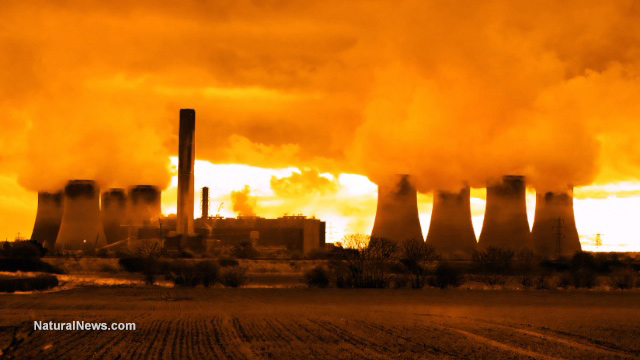
From time to time, nuclear power plants require fresh infusions of fuel in order to keep operating. During this process, nuclear reactors are depressurized and their valves opened up, resulting in a release of gas containing some radioactive elements. The radioactive concentration of this release is said to be minimal, and plant operators are required to report it to regulators annually.
When these reports are made, however, plant operators typically average out the total radioactive release across a 365-day period, which makes it appear small. In truth, the bulk of the release occurs in a very short period of time, often in just one afternoon, which means workers and those living downwind are sustaining high amounts of radioactive exposure.
"Up until 2012, we didn't really know what happened with emissions from nuclear reactors," explained the independent nuclear consultant during the segment. "The only data that we had was annual data.... We didn't really know the time pattern -- now we do."
Up to 75 percent of total radioactive release at nuclear power plants occurs in just one instance
According to Dr. Fairlie, it is a common misconception that small bursts of radiation http://www.dreddyclinic.com/findinformation/rr/radiationsickness.php are released from nuclear power plants throughout the year, representing a minimal overall threat. Up to three-quarters, or 75 percent, of what is recorded annually as radiation releases occurs in just one large spike, typically during the refueling of reactors.
"Instead of having even, little bits of emissions throughout the 365 days, you have one big, massive spike which happens over a day-and-a-half period," said Dr. Fairlie. "That's important... because it results in doses which are at least 20 times higher, maybe even as much as 100 times higher."
This is significant because current regulatory guidelines do not require plant operators to disclose when and how often such releases occur, which creates an illusion of safety. If people knew that nuclear http://www.dreddyclinic.com/forum/viewtopic.php?f=117&t=3367 plants operated in this manner, they would likely avoid being near them on the few days when large radiation releases occur.
"These spikes have been hidden from us ever since the beginning of the nuclear power program," explained Dr. Fairlie. "Nobody knew about them apart from people who work in the nuclear industry and they keep really quiet about it."
Tell the Nuclear Regulatory Commission to protect public from radioactive releases
Though the data from which Dr. Fairlie came to these conclusions was compiled in Germany, he says similar radioactive releases are likely occurring at U.S. reactors as well. He is now urging Americans to contact the Nuclear Regulatory Commission and demand that such information be disclosed in the interest of public health.
"You have to go to your regulator and say, 'There's no reason why this is not occurring at U.S. reactors. These data are from [German] pressurized water reactors... so we know that it's very, very likely the same thing is happening with U.S. reactors," he added.
You can contact the Nuclear Regulatory Commission to demand full disclosure on nuclear power plant data by visiting:
http://www.nrc.gov/about-nrc/contactus.html.
You can also listen to the full Nuclear Hotseat interview with Dr. Fairlie here:
http://www.nuclearhotseat.com/2088/.
Sources for this article include:
http://enenews.com/scientist-massive-spikes-radioactivity-being-hidden-public-radiation-doses-around-reactors-increase-exponentially-major-worry-very-very-important-video
http://www.nuclearhotseat.com/2088/
http://www.nrc.gov/about-nrc/contactus.html
http://www.dreddyclinic.com/findinformation/rr/radiationsickness.php
Read more
